

You’ve made the decision to work with a marketing agency instead of building an in-house team. Smart choice. But now you’re reviewing proposals and facing a new question: Does this agency actually need to understand agriculture? Or is good marketing just good marketing, regardless of industry?
It’s a fair question. And the answer isn’t as simple as most agencies would have you believe.
The truth is, it depends entirely on what you’re hiring them to do. Let’s break down when agricultural expertise becomes critical, when it doesn’t matter much at all, and how to evaluate agencies so you make the right choice for your business.
Quick Snap Shot
- You need ag specialization when: marketing technical products, timing matters seasonally, dealing with regulations, or using ag-specific channels like trade shows and dealer networks
- Generalists work fine for: website development, paid ads execution, emerging platforms where nobody’s an expert yet, and bringing fresh outside perspective
- “Ag agency” isn’t enough — ask about their specific experience in YOUR ag segment, who’s actually on your account, and how they measure results
- The real answer: You need marketing expertise that respects agriculture’s uniqueness, whether from a specialist, smart generalist, or hybrid approach that combines both
Understanding the Generalist vs. Specialist Divide
Before we can answer whether you need an ag-specialized agency, let’s clarify what we mean by these terms.
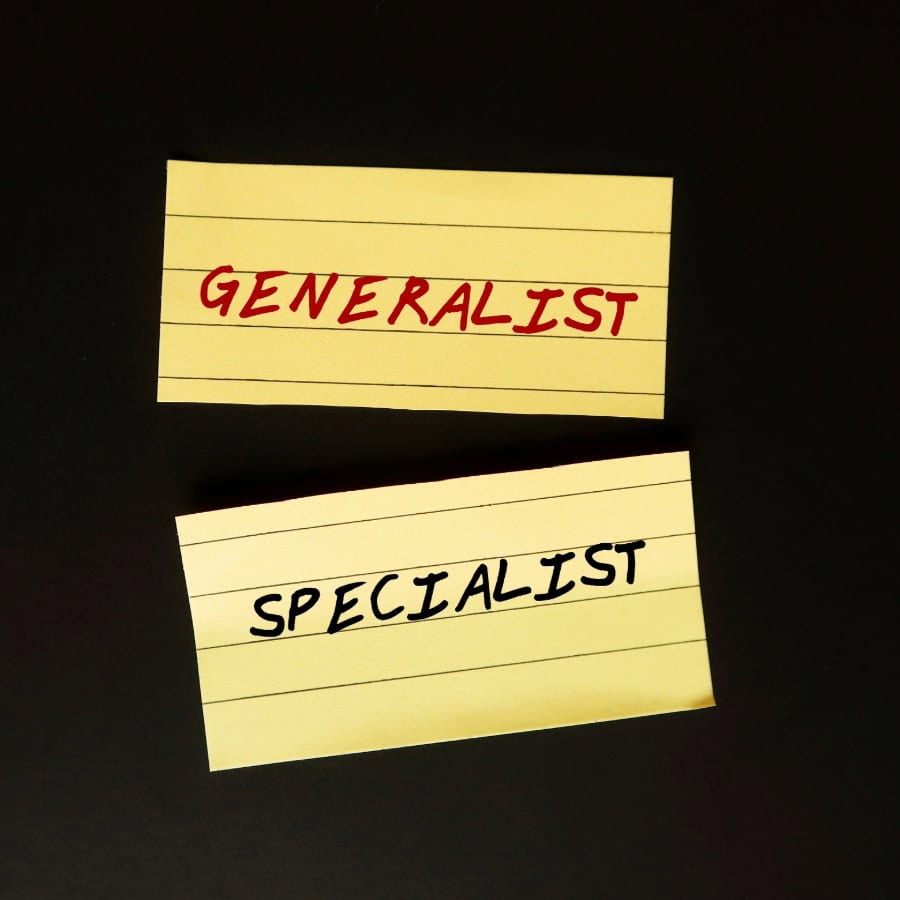
Generalist marketing agencies offer broad services across multiple industries. They might work with healthcare companies, retail brands, professional services, and yes, agricultural businesses—all at the same time. Their strength lies in understanding core marketing principles that apply universally: how to structure effective campaigns, optimize conversion rates, manage advertising budgets, and measure ROI.
Specialist marketing agencies focus on specific industries or sectors. An agricultural marketing specialist works primarily or exclusively with ag businesses. They’ve invested time and resources into understanding the unique characteristics of agricultural markets, buyer behavior, seasonal patterns, industry-specific challenges, and have their own verified farmer audience.
Neither approach is inherently superior. The question is which one delivers better results for your specific situation.
When Agricultural Specialization Becomes Non-Negotiable
There are distinct scenarios where working with an agency that deeply understands agriculture isn’t just helpful—it’s essential for success.
Complex Technical Communication
If your marketing involves explaining technical products, agricultural specialization matters tremendously. Consider the difference between marketing a new herbicide formulation versus marketing generic business software. The ag product requires understanding of application rates, tank mixing compatibility, resistance management, and timing relative to crop growth stages.
A generalist agency might produce marketing materials that look professional but miss the mark on what actually drives purchasing decisions. They might emphasize features that farmers don’t care about while overlooking the critical benefits that close sales.
Specialized agencies understand the technical language naturally. They know when to use industry terminology and when to simplify. They recognize which product specifications matter to your buyers and which are just noise.
Seasonal Timing and Buying Cycles
Agriculture operates on nature’s schedule, not the calendar year. Planting season, growing season, and harvest create distinct windows where different types of marketing messages resonate.
A generalist agency might plan your major campaign launch for January because it’s the start of a new year. An ag-specialized agency knows that January is when row crop farmers are thinking about seed selection and pre-ordering inputs—not the time to push harvest equipment.
This seasonal intelligence extends beyond just timing campaigns. It includes understanding:
- When farmers have cash flow versus when they’re leveraged
- Which decisions get made in winter versus which happen at the last minute
- How weather events shift buying behavior and messaging opportunities
- The difference between marketing to farmers during planting stress versus post-harvest
Audience Segmentation and Buyer Personas
“Farmers” is not a homogenous group. A dairy operation in Wisconsin has completely different needs, challenges, and buying behaviors compared to a 5,000-acre corn and soybean operation in Iowa. A specialty crop farmer in California operates in an entirely different world than a cattle rancher in Montana.
Specialized agencies understand these distinctions intuitively. They know:
- How equipment dealers make decisions differently than farmers
- The role of agronomists and dealers in influencing purchase decisions
- Regional differences in terminology, practices, and preferences
- The varying sophistication levels of technology adoption across different segments
Generalist agencies will segment based on demographics and standard marketing criteria. Specialized agencies segment based on operation type, acreage, crop mix, and a dozen other factors that actually predict buying behavior in agriculture.
Industry-Specific Media and Channels
Agricultural marketing often requires a different media mix than other industries. Traditional channels that might seem outdated elsewhere like “print magazines” still drive significant engagement in agriculture. Meanwhile, some digital channels that work brilliantly in other sectors fall flat with farming audiences.
Specialized agencies maintain relationships with agricultural publications, understand which trade shows actually generate ROI, and know how to leverage dealer networks effectively. They don’t waste your budget testing channels that experienced ag marketers already know won’t perform.
Regulatory and Compliance Considerations
Agricultural products, particularly inputs like pesticides, herbicides, and animal health products, operate under strict regulatory frameworks. Marketing claims must comply with EPA regulations, state-specific restrictions, and industry guidelines.
Specialized agencies understand these constraints and build compliant messaging from the start. Generalist agencies might create compelling campaigns that you can’t actually use because they inadvertently violate regulatory requirements.
When Marketing Fundamentals Matter More Than Industry Knowledge
Now let’s look at the other side. There are plenty of situations where a skilled generalist agency might actually outperform an agricultural specialist.

Pure Technical Execution
Some marketing tactics are industry-agnostic. The technical mechanics of setting up Google Ads campaigns, configuring Facebook pixels, implementing marketing automation, or optimizing website load speed don’t change based on what you’re selling.
A generalist agency with deep technical expertise in paid advertising might deliver better results than an ag agency that understands agriculture but lacks sophisticated paid media capabilities. The algorithm doesn’t care whether you’re advertising tractors or tennis shoes—it responds to proper campaign structure, bid strategies, and audience targeting techniques.
Website Development and User Experience
Modern web development follows established best practices that apply across industries. Mobile responsiveness, page load optimization, intuitive navigation, accessibility standards—these technical requirements remain constant.
An experienced web development firm can build you an excellent website whether or not they understand the difference between a combine and a cotton picker. What matters is their technical skill, design sensibility, and understanding of conversion optimization principles.
Emerging Platforms and Innovation
When new marketing platforms and technologies emerge, everyone starts at roughly the same level. Agricultural “experts” have no more experience with brand-new channels than anyone else.
In fact, generalist agencies might actually innovate more effectively on new platforms because they’re not constrained by “how we’ve always marketed in ag.” They bring fresh perspectives and are more likely to test creative approaches that industry insiders might dismiss too quickly.
Strategic Thinking and Creative Problem-Solving
Sometimes being too close to an industry creates blind spots. Generalist agencies bring an outside perspective that can identify opportunities and solutions that industry veterans overlook.
They might ask “dumb” questions that actually reveal important insights. They’re not constrained by “that’s how it’s always been done” thinking. They can apply successful strategies from other industries that translate surprisingly well to agriculture.
The Hidden Truth About “Agricultural Specialists”
Not all agencies claiming agricultural expertise are created equal. Before you assume specialization guarantees better results, consider these realities.
Depth of Specialization Varies Widely
Agriculture is enormous and diverse. An agency that specializes in livestock genetics might be completely lost marketing precision planting equipment. Someone with deep expertise in dairy nutrition doesn’t necessarily understand the row crop input market.
When evaluating specialized agencies, ask about their specific experience within your niche. “We’re an ag agency” isn’t enough. You need to know whether they understand your specific segment of agriculture.
Experience Doesn’t Equal Current Knowledge
Some agencies built their agricultural expertise years or even decades ago. But agriculture changes rapidly. Precision technology, data management, sustainability pressures, and generational shifts in farm management have transformed the industry.
An agency that mastered ag marketing in 2005 but hasn’t evolved might be using outdated approaches. They have experience, yes, but not necessarily current expertise.
Meanwhile, a generalist agency that’s actively working with agricultural clients right now might understand today’s landscape better than a specialized agency coasting on past success.
Specialization Can Create Complacency
Agencies that only work in agriculture sometimes fall into ruts. They use the same approaches, the same messaging frameworks, the same creative concepts—because they’ve worked before.
This isn’t innovation. It’s repetition. And in a competitive market, doing what everyone else does leads to mediocre results.
The best specialized agencies maintain a generalist mindset at their core. They stay curious, continue learning, and actively seek new ideas from outside agriculture. Specialization gives them context and credibility, but they don’t let it limit their thinking.
The Hybrid Approaches That Often Work Best
In practice, many successful agricultural businesses don’t choose purely generalist or purely specialist agencies. They create hybrid arrangements that capture benefits from both approaches.
The Coordinator Plus Specialists Model
Some companies work with a smaller agricultural marketing agency for strategy, messaging, and content while partnering with specialized execution firms for technical work. The ag agency provides industry knowledge and strategic direction. Technical specialists handle website development, SEO implementation, or paid media management.
This approach ensures agricultural expertise guides the strategy while best-in-class execution handles implementation.
Questions That Actually Matter When Evaluating Agencies
Instead of simply asking “Are you an agricultural marketing agency?” here are the questions that reveal whether an agency is right for your needs.
About Their Industry Knowledge
“How will you get up to speed on our specific products and customers?” Listen for their process. Do they have a structured approach to learning your business? Will they spend time with your sales team, talk to customers, attend trade shows?
“What other agricultural clients do you work with in our segment?” Look for relevant experience, not just agricultural experience. An agency working with dairy equipment manufacturers understands your world better than one whose only ag client is an organic vegetable farm.
“What agricultural industry trends concern or excite you right now?” This reveals whether they’re actively engaged with the industry or just claiming expertise based on past work.
About Their Marketing Capabilities
“Can you show examples where you’ve translated technical B2B concepts for buyers?” This matters regardless of industry. Can they make complex things understandable?
“What’s your process for measuring campaign performance and ROI?” Marketing without measurement is guesswork. Strong agencies have sophisticated approaches to tracking results.
“How do you stay current with changes in marketing technology and platforms?” The marketing landscape evolves constantly. Agencies must invest in continuous learning.
About Working Relationship and Fit
“Who specifically will work on our account, and what’s their background?” You’re not hiring the agency—you’re hiring the specific people who’ll work with you. Meet them. Evaluate their expertise and communication style.
“How do you handle situations where campaigns aren’t performing?” Problems happen. How an agency responds matters more than preventing every problem.
“What do you need from us to be successful?” Strong agencies know they can’t succeed without client partnership. Be wary of agencies that promise results with minimal involvement from you.
Red Flags to Watch For
Certain warning signs should make you reconsider an agency relationship, whether they’re generalists or specialists.
Claims without evidence: Any agency can say they’re experts. Look for proof in the form of results, client references, case examples, and demonstrated knowledge.
One-size-fits-all solutions: Whether it’s an ag agency pushing the same strategies for every client or a generalist treating your agricultural business like any other company, cookie-cutter approaches rarely deliver optimal results.
Lack of curiosity: Strong agencies ask lots of questions. They want to understand your business, your goals, your customers, and your challenges. If an agency thinks they already know everything, they probably don’t.
Poor communication and responsiveness: If an agency is slow to respond or hard to reach during the sales process, expect worse after you’re a client.
Unwillingness to discuss pricing and contracts clearly: Transparency matters. Hidden fees, vague deliverables, and complicated contracts often lead to disappointment and disputes.
The Real Answer
At the end of the day, agricultural knowledge matters—but it’s not the only thing that matters, and sometimes it’s not even the most important thing.
What you really need is marketing expertise that respects agriculture’s unique characteristics. That might come from a specialized agency with deep industry roots. It might come from a talented generalist willing to invest in understanding your business. It might come from a hybrid arrangement that combines different sources of expertise.
What you definitely don’t need is an agency that thinks agriculture is just like any other industry (it’s not), or an agency that claims agricultural expertise based solely on growing up on a farm or working with one ag client years ago.
The best agencies—whether generalist or specialist—share certain qualities: They ask insightful questions. They listen carefully to your answers. They’re intellectually curious. They measure results rigorously. They communicate clearly and honestly. And most importantly, they’re obsessed with driving actual business outcomes, not just executing marketing activities.
Start with those qualities. Then layer on the agricultural knowledge, technical capabilities, and strategic thinking your specific situation requires. That’s how you find an agency partner that actually helps your business grow.
About Fastline Marketing Group: For 45 years, we’ve specialized in helping hundreds of agricultural and construction businesses connect with their customers through straightforward marketing that drives results. Our focus stays where it’s always been, on building long-term relationships and delivering measurable growth for the businesses we serve. We do the research so you don’t have to.
About This Article: This analysis synthesizes research on marketing agency specialization, industry-specific marketing challenges, and best practices for evaluating agency partnerships. Information sources include marketing industry publications, agency case studies, and established frameworks for agency selection.
